The Influence of Local Regulations on Game Providers' Approaches to Progressive Jackpot Features in Mobile Slots
Geschrieben von Taylor Schmidt · 10.10.2026

The Influence of Local Regulations on Game Providers' Approaches to Progressive Jackpot Features in Mobile Slots
Local regulations shape how game providers design and implement progressive jackpot features in mobile slots, with rules varying widely across jurisdictions and directly affecting network structures, contribution rates, and payout mechanisms. Data from regulatory filings shows that providers must adjust jackpot pools, eligibility criteria, and random number generator protocols to meet compliance standards in each market they enter. In October 2026, several US states updated their mobile gaming frameworks, prompting providers to recalibrate progressive systems for new contribution caps and transparency requirements.
Regulatory Variations Across Major Markets
Game providers encounter distinct frameworks when deploying progressive jackpots in mobile slots, particularly in the United States where state-level oversight creates fragmented requirements. New Jersey's Division of Gaming Enforcement mandates that progressive contributions from mobile play remain segregated from land-based pools in many cases, while Nevada's Gaming Control Board enforces strict auditing trails for cross-device jackpot growth. These rules force providers to maintain separate backend systems for each state, increasing operational complexity but ensuring localized compliance.
Australian regulations add another layer through state and territory laws that limit jackpot sizes and require real-time reporting of pool values to oversight bodies. Providers operating in markets like New South Wales must cap contributions from mobile sessions at percentages that differ from those allowed in Queensland, leading to customized software builds for each region. Research from industry reports indicates that such geographic tailoring reduces the speed of jackpot accumulation in smaller markets yet maintains player engagement through adjusted trigger probabilities.
Adaptations in Progressive Network Design
Providers respond to these regulatory pressures by segmenting progressive networks rather than maintaining single global pools. This approach allows mobile slots to connect only with players in permitted jurisdictions, avoiding violations that could halt operations. For instance, contribution percentages often drop below 1 percent in tightly regulated areas to prevent rapid pool growth that exceeds local prize caps, while higher rates apply in more permissive environments.
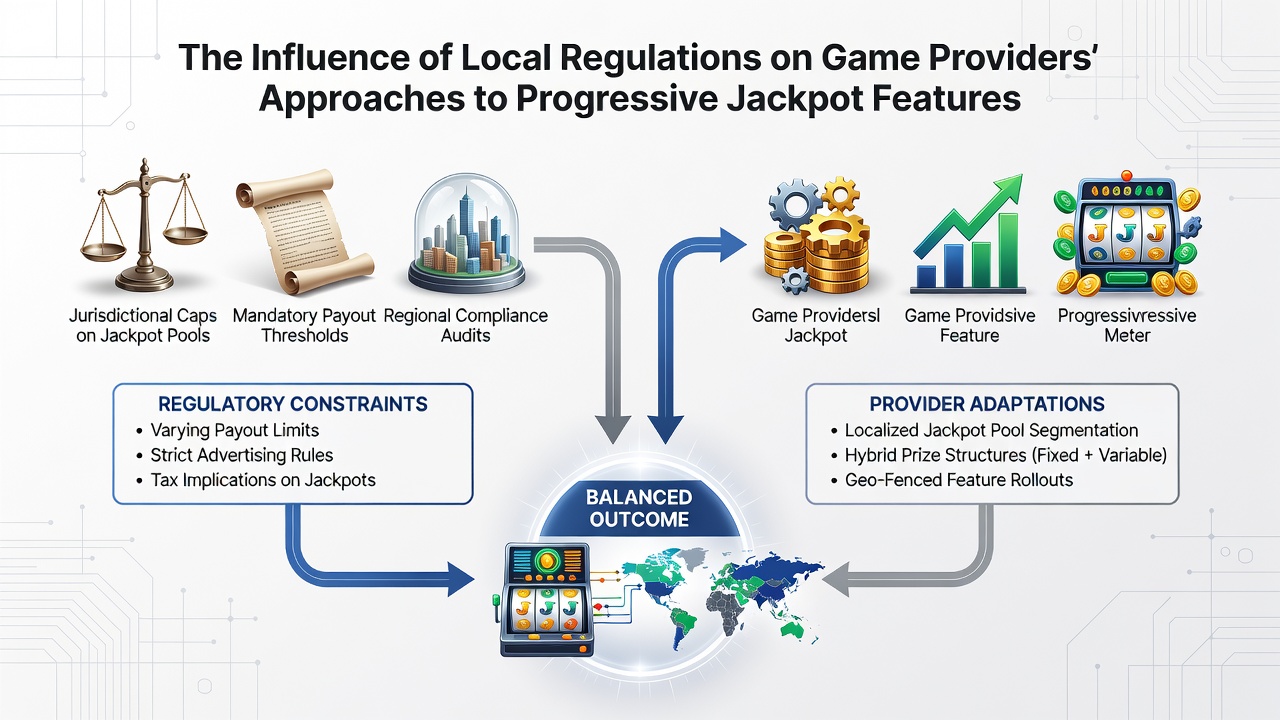
Technical adjustments include region-specific random number generator certifications and mobile-optimized interfaces that display jurisdiction-specific jackpot information. Observers note that companies frequently employ modular code structures, enabling quick updates when new rules take effect, such as the October 2026 transparency mandates in several American states. These changes ensure that mobile users see accurate pool values and understand how their bets contribute without exposing providers to enforcement actions.
Impact on Mobile-Specific Features
Mobile platforms introduce additional constraints because regulators often require the same fairness standards as desktop versions while demanding optimized performance on smaller screens. Local rules in Canada, administered through provincial bodies, require explicit disclosure of jackpot odds within mobile apps, prompting providers to integrate clear tooltips and help sections. Such requirements extend development timelines yet produce standardized interfaces that function across devices.
European markets outside the United Kingdom apply varying tax treatments to jackpot winnings, which influences how providers structure contribution flows and reserve funds. Data shows that providers allocate reserves differently in high-tax jurisdictions to cover potential payouts, resulting in slower growth rates for mobile progressive meters compared to less regulated regions. This economic modeling becomes essential for maintaining viability while adhering to local fiscal policies.
Industry Responses and Compliance Strategies
Trade organizations like the European Gaming and Betting Association have documented how providers invest in compliance teams dedicated to tracking regulatory shifts across borders. These teams analyze proposed changes months in advance, allowing preemptive modifications to jackpot algorithms and mobile user interfaces. In October 2026, updates in multiple US states highlighted the need for such proactive measures as new rules required enhanced logging of mobile bet contributions to progressive pools.
Academic studies from research institutions further reveal that localized regulatory environments correlate with reduced jackpot sizes in mobile slots, though overall player participation remains stable when providers communicate rule differences transparently. Providers therefore prioritize clear in-game messaging and support resources to retain users across diverse regulatory landscapes.
Conclusion
Local regulations continue to drive specialized approaches to progressive jackpot features in mobile slots, compelling providers to balance technical innovation with strict compliance across multiple jurisdictions. Evidence from regulatory filings and industry analyses demonstrates that segmented networks, customized contribution rates, and enhanced disclosure tools represent standard adaptations. As mobile gaming expands, these regulatory influences shape both the structure and presentation of progressive elements in ways that prioritize adherence while sustaining operational functionality.